At Huda Academy, academic subjects and Islamic studies are taught side by side in the same school day, from Kindergarten on.
The academic core
The subjects every good school teaches
From Kindergarten, every child studies English language arts, math, science, social studies and PE.
The timetable grows as children do. Computer science joins in Grade 4, and art in Grade 5. From the middle grades, students who are ready can take advanced courses such as Algebra I and geometry, and in high school there are advanced courses and college classes with UALR.
Faith and language
Islamic studies, Arabic, Qur’an and salah
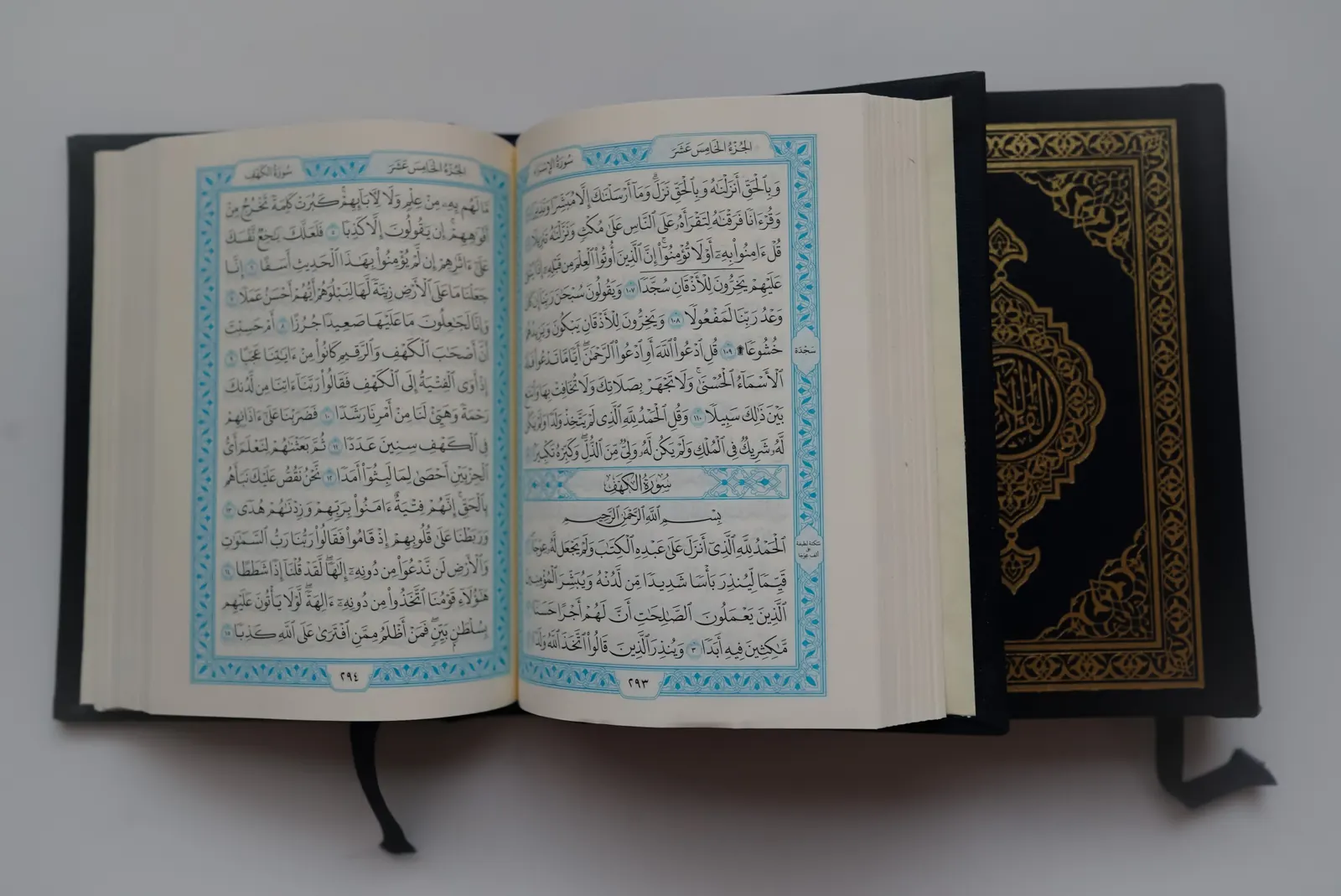
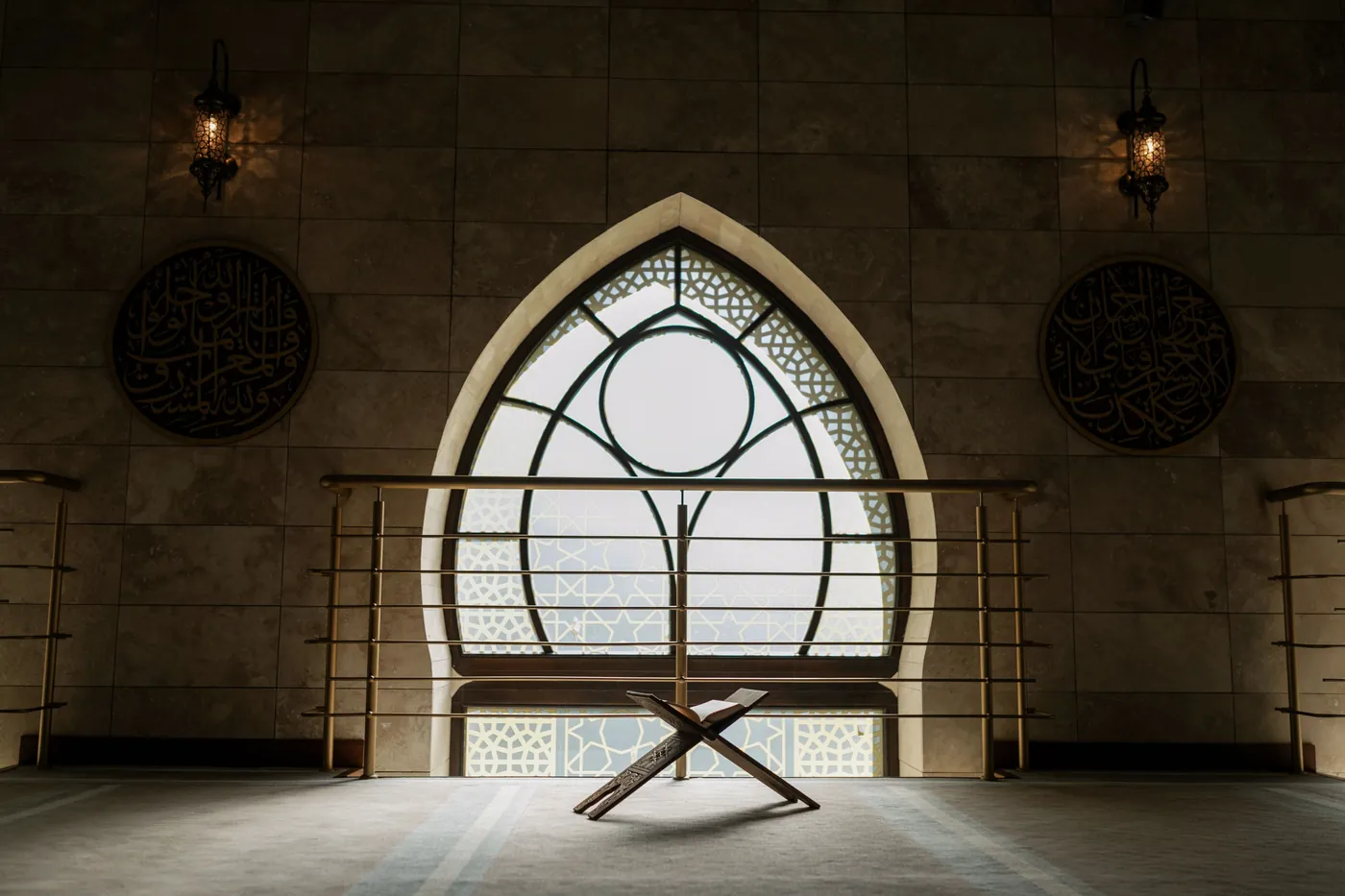
Islamic studies and Arabic are on the timetable from Kindergarten. Arabic is taught both as Modern Standard Arabic and as Qur’anic Arabic for Qur’an and Qira’ah classes. From Grade 1, salah becomes part of the day: students pray Dhuhr together, older students mentor the younger ones at prayer time, and on Fridays an older student gives the khutbah.
Grade 1 is also when children begin Qira’ah, reading the Qur’an aloud with correct recitation. Students who want to memorize the Qur’an can join our Hifz program. Several members of our staff are huffaz.
Stage by stage
A clear path from first steps to what comes next.
Five stages, each with its own page.
How we teach
How lessons are taught, and how progress is checked.
Standards • Science • Assessment
Published standards
In the elementary grades, English and math follow clear academic standards, which set out what a child should be able to do by the end of each grade.
Science and technology
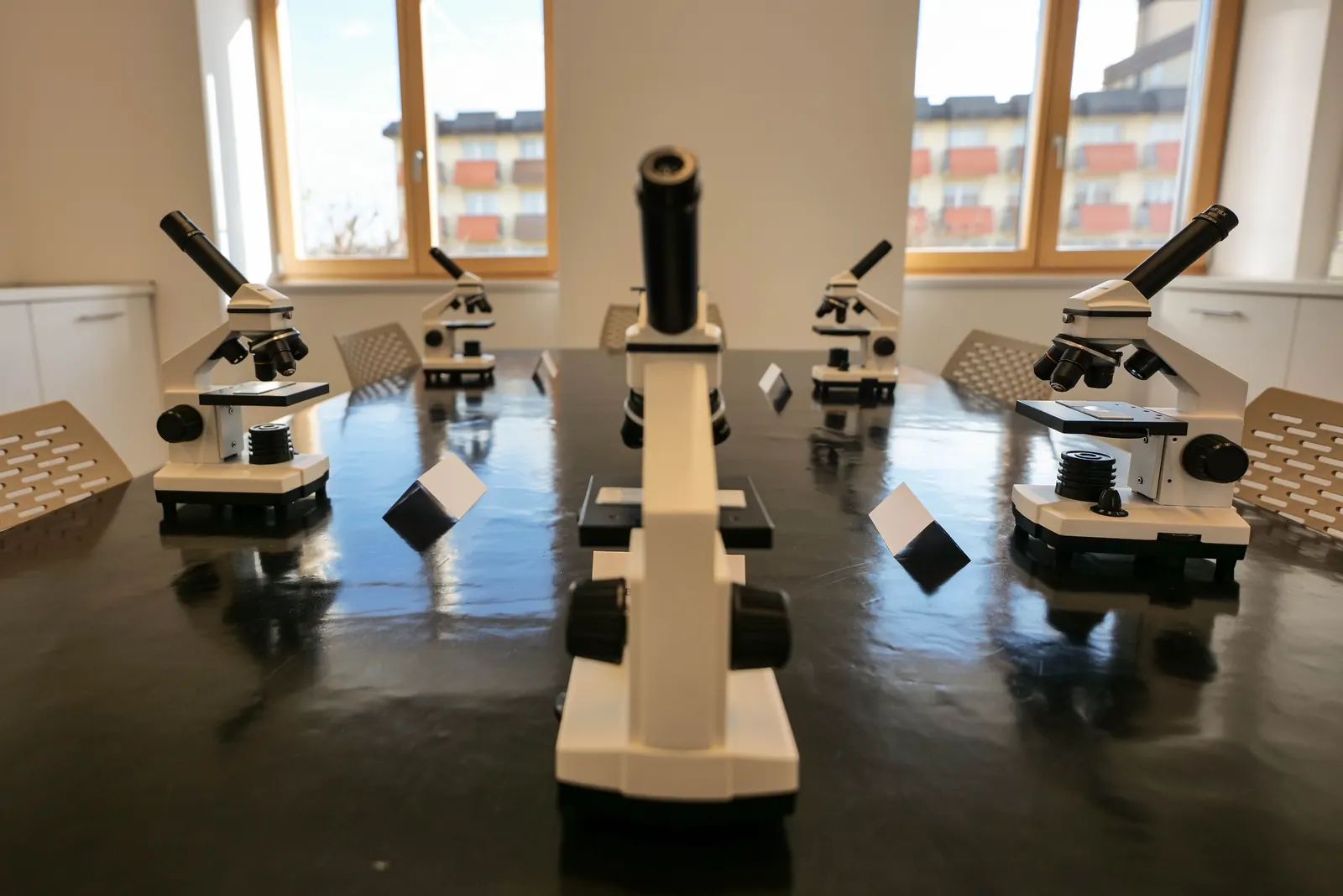
Science lessons are hands-on, with experiments that ask students to investigate and explain what they find. Our partnership with the University of Arkansas at Little Rock (UALR) supports our teachers through a teacher resident program and professional development.
Checking progress
Teachers follow each student through the year with formative assessments, the quick checks inside everyday lessons, and summative assessments at the end of a unit. Those results decide when a student needs extra help and when they are ready to move ahead. Several times a year, students also take a nationally normed assessment, so that we can follow each child’s growth.
Why we began
The need to establish a school that would excel in academics and provide an environment to nurture spiritual growth.
Advanced study
Advanced courses from the middle grades onward.
A student who is ready for more does not have to wait for the rest of the class. We offer advanced courses from the middle grades, and college-level work in high school.
In the middle grades
Seven advanced courses are open to students who are ready for them:
Pre-algebra
Algebra I
Geometry
Physical science
World history
World geography
US history
Several of these are courses many students first meet in high school, so a strong student arrives there with a head start.
How placement works
Placement is based on what the teacher sees across the whole year, in everyday checks and end-of-unit tests. The Middle School page explains what that looks like for a student.
In high school
High school students can take advanced courses in English, math, science and social studies, and college courses through concurrent enrollment with UALR.