
Enrollment opens each March.

Apply Now
Academics

Elementary.Grades 1 to 5.

In Grades 1–5, children build real skill in reading, math, and science, alongside Arabic, Islamic studies, and daily Dhuhr prayer.

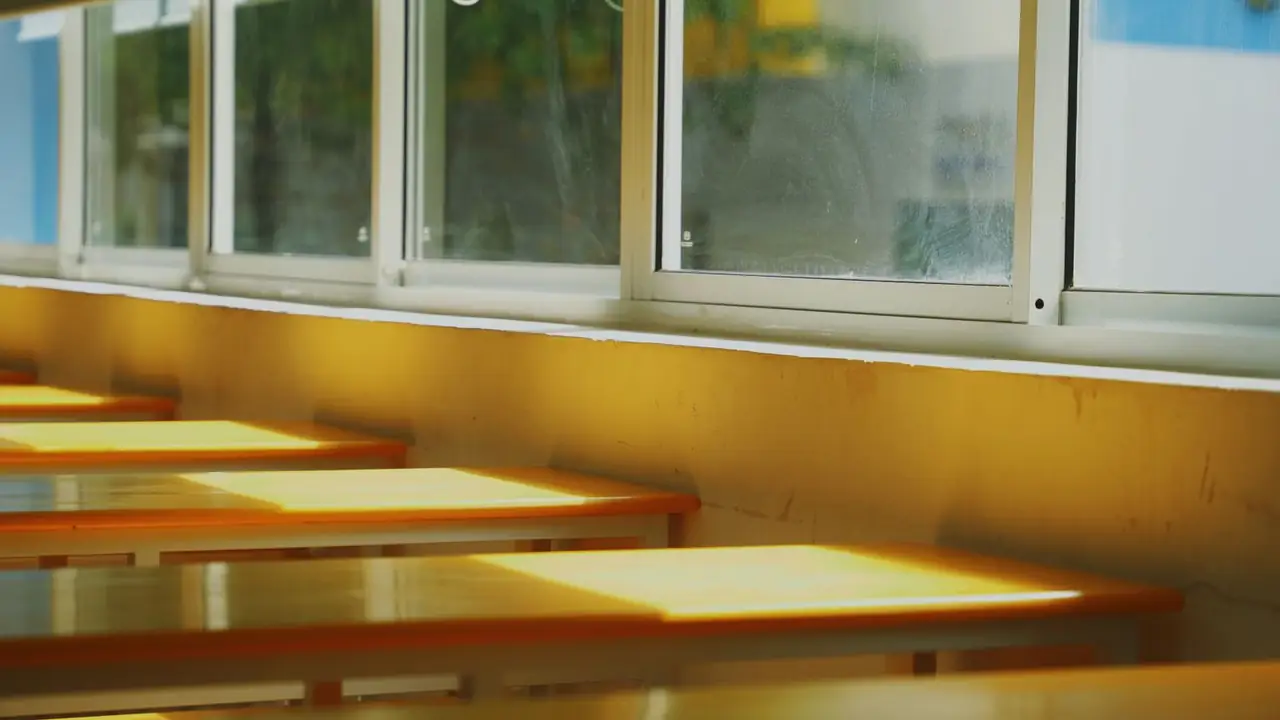
Late-afternoon sunlight falling gold across empty classroom desks along a window wall.

Grade by grade

What each elementary year adds to the timetable.

The elementary years keep one steady core of subjects from Grade 1 to Grade 5, and add to it as children grow. Every child has recess each day, on the playground or in the gym.

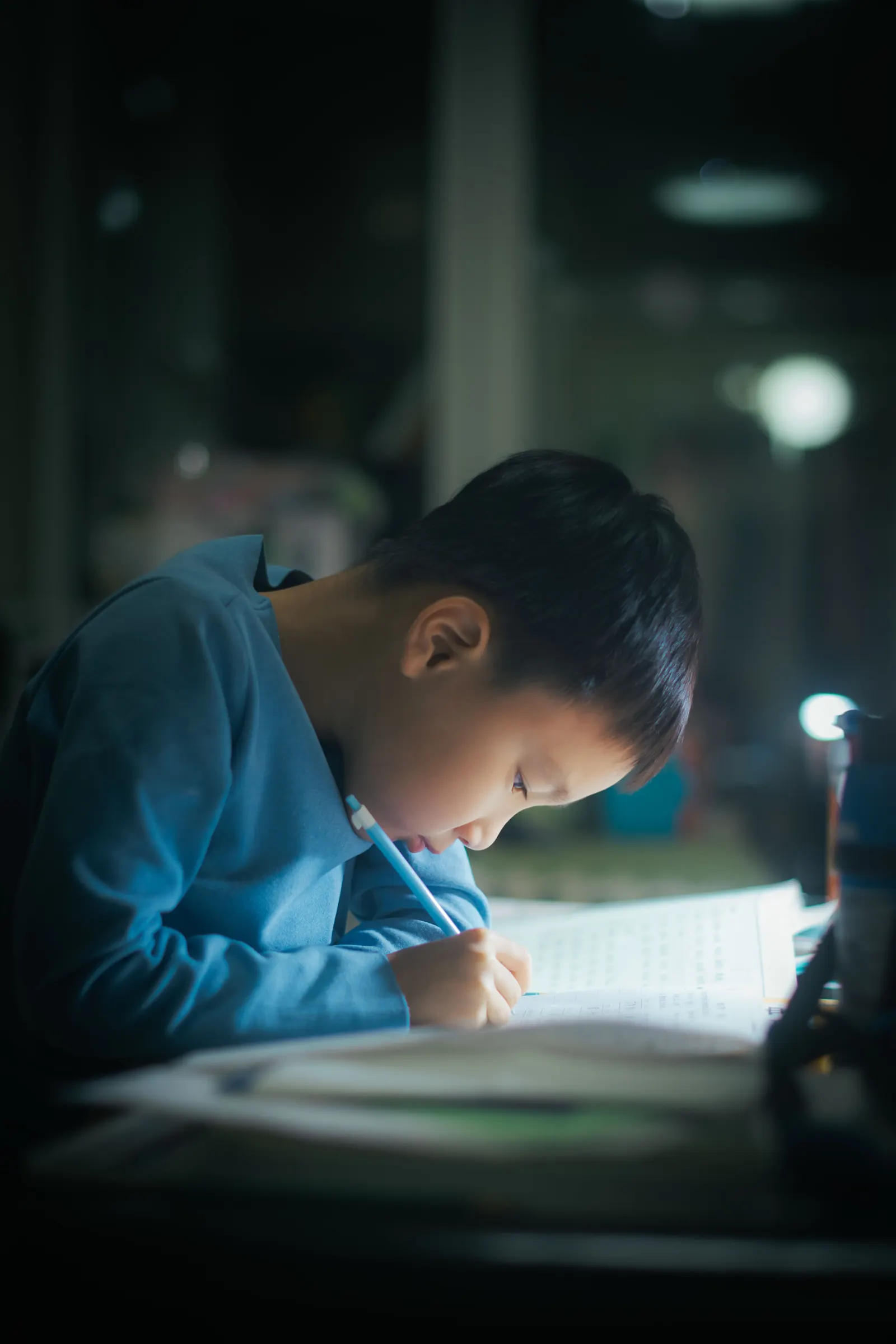
A boy in a blue shirt bends over his desk writing carefully under a lamp
A young boy types at a desktop computer and looks round at the camera
  1. Grades 1 to 3

    Eight subjects: English language arts, math, science, social studies, PE in our gym, Arabic, Islamic studies and salah. Salah is new in Grade 1, with its own place on the timetable, and Grade 1 is when children begin reading from the Qur’an. Reading is taught through its five parts, which begin in Kindergarten: phonemic awareness, phonics, fluency, vocabulary and comprehension. Writing grows through journals, process writing and different genres, and teachers check reading progress through the year. From Grade 3, children read and discuss whole chapter books in a variety of genres.

  2. Grade 4

    Computer science is added to the timetable, and technology is part of everyday lessons too.

  3. Grade 5

    Art joins the timetable, making ten subjects, the same set students keep through the middle grades. Grade 5 ends with a graduation ceremony, marking the close of the elementary years before Grade 6.

Qur’an and Arabic

Reading the Qur’an from Grade 1.

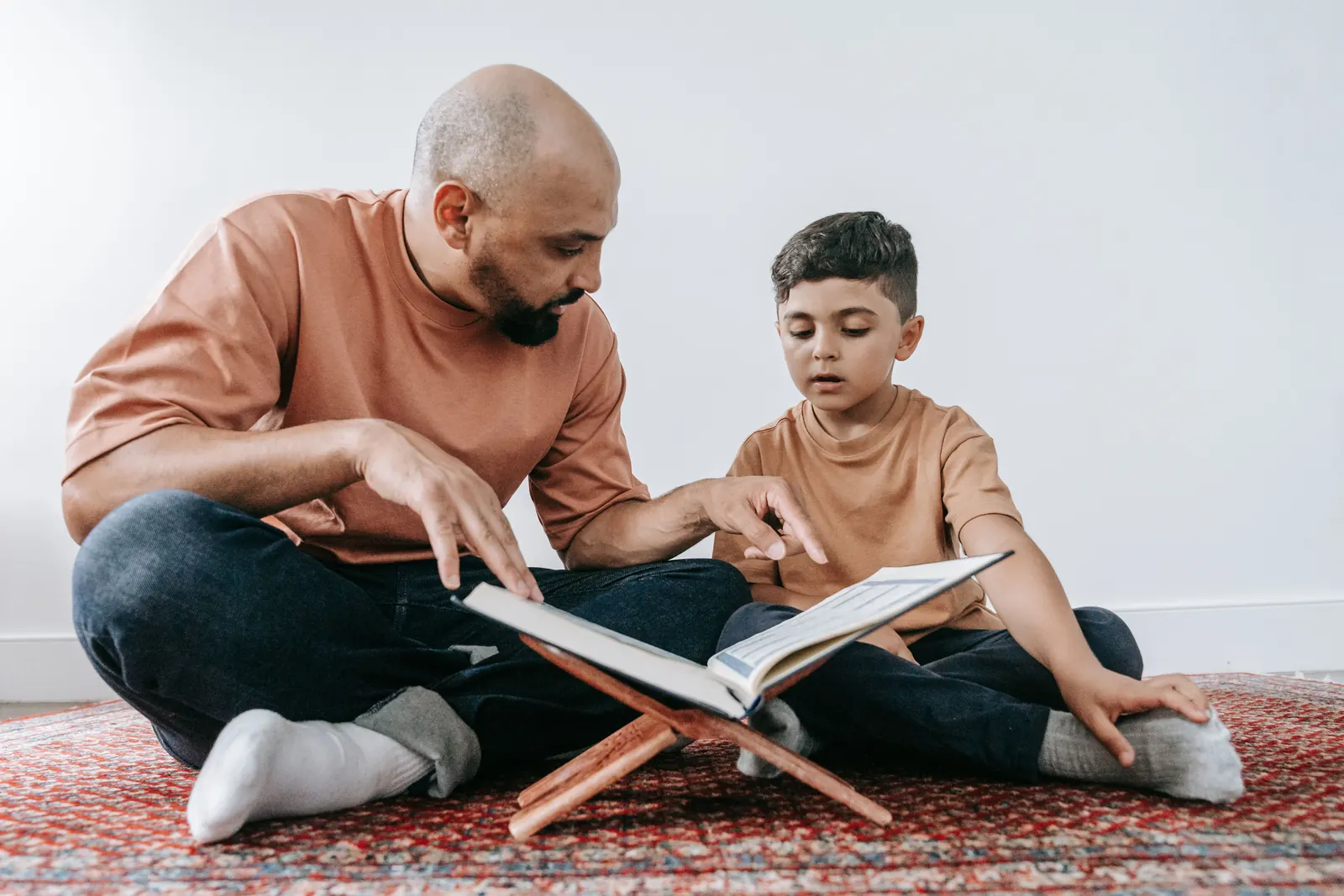
A bearded man sitting cross-legged on a rug points to the Qur'an on a wooden stand as a young boy reads Qira’ah • Arabic • Salah
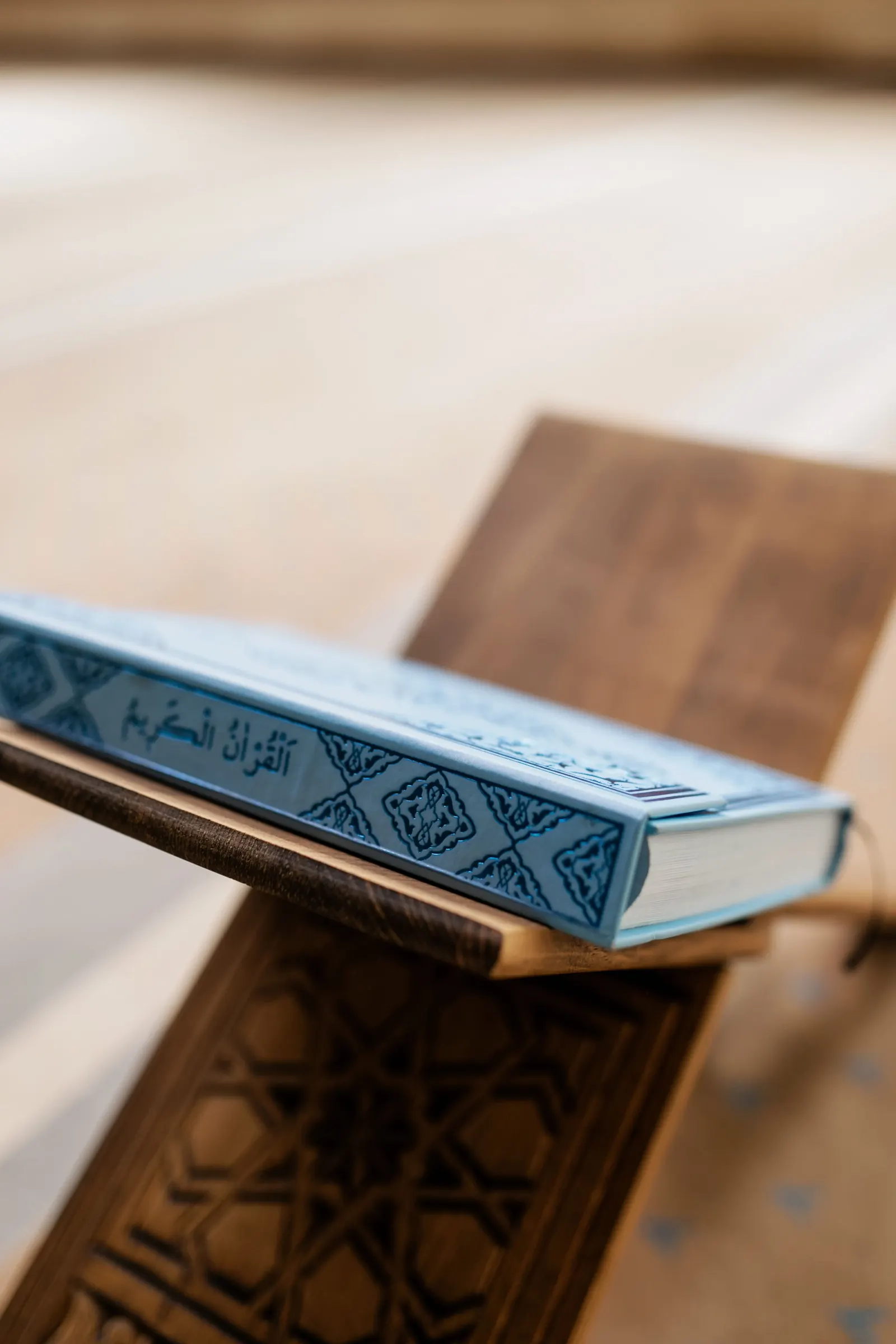
A closed Qur'an with a pale blue cover rests on a carved wooden stand in soft daylight

Qira’ah

Qira’ah is the study of reciting the Qur’an correctly, and children start reading from the Qur’an as early as Grade 1. Each grade also memorizes its own portion of the Qur’an through the year, with the teacher tracking every child’s progress. Children who want to go further can join the Hifz program.

Arabic

Children first learn Arabic letters and numbers in the early years, and Arabic is a full subject from Kindergarten. It is taught both as Modern Standard Arabic and as Qur’anic Arabic for recitation. As children grow, the focus widens to grammar and to understanding the message of the Qur’an.

Islamic studies and salah

Islamic studies is taught with material written for elementary students. From Grade 1, students pray Dhuhr together every school day, and older students mentor the younger ones. On Fridays, an older student gives the khutbah.

Math and science

Math that builds, and science done hands-on.

Math and science build from one year to the next, and teachers check each child’s progress all through the year.

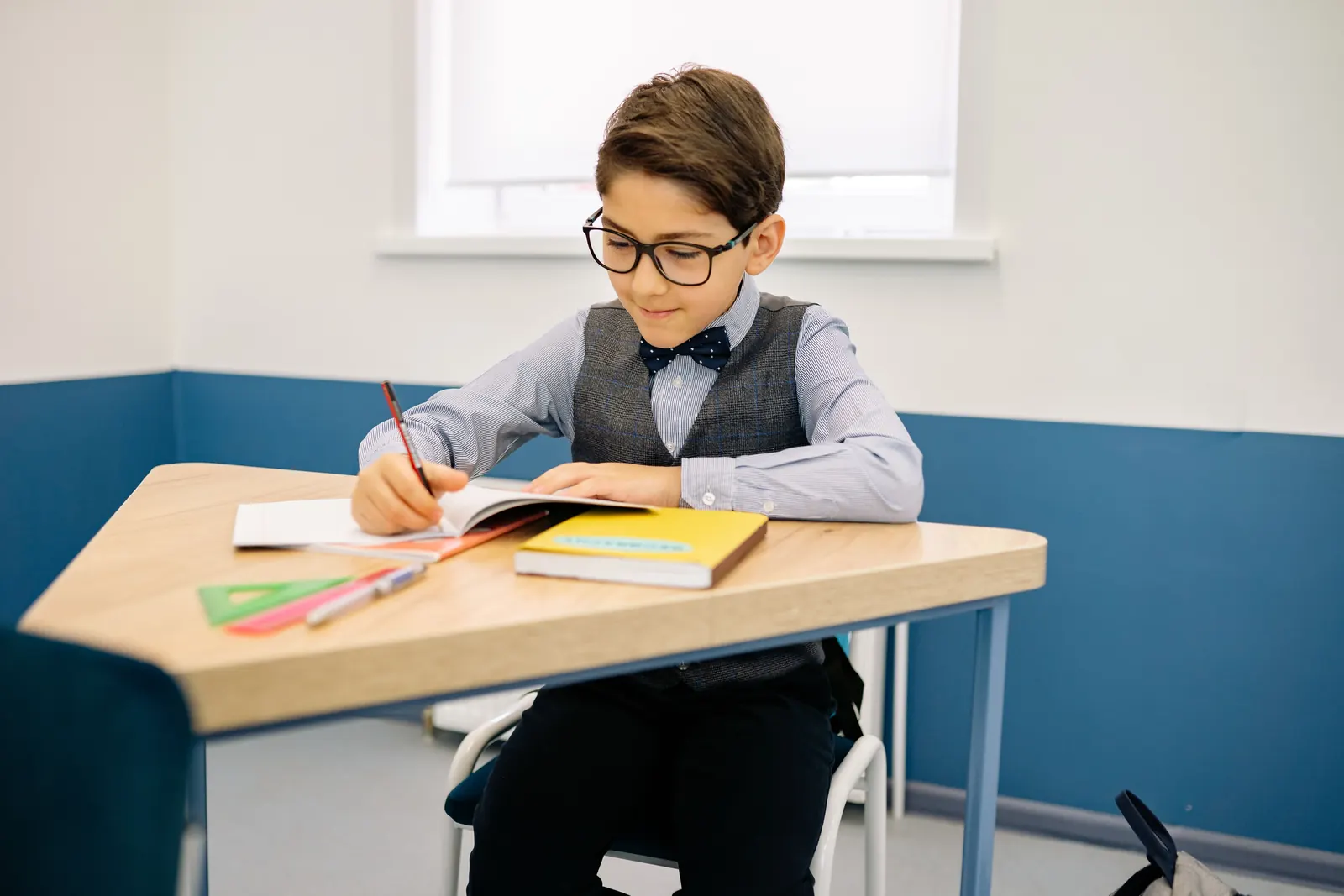
A boy in glasses and a bow tie writes in his notebook at a classroom desk, rulers and a set square beside him

Math

Math that builds year by year

Our elementary curriculum follows clear academic standards that set out what a child should be able to do by the end of each grade, and math builds step by step from one year to the next.

Teachers check each child’s skills through the year, so they can close gaps or help a child move ahead, and families hear how their child is doing.
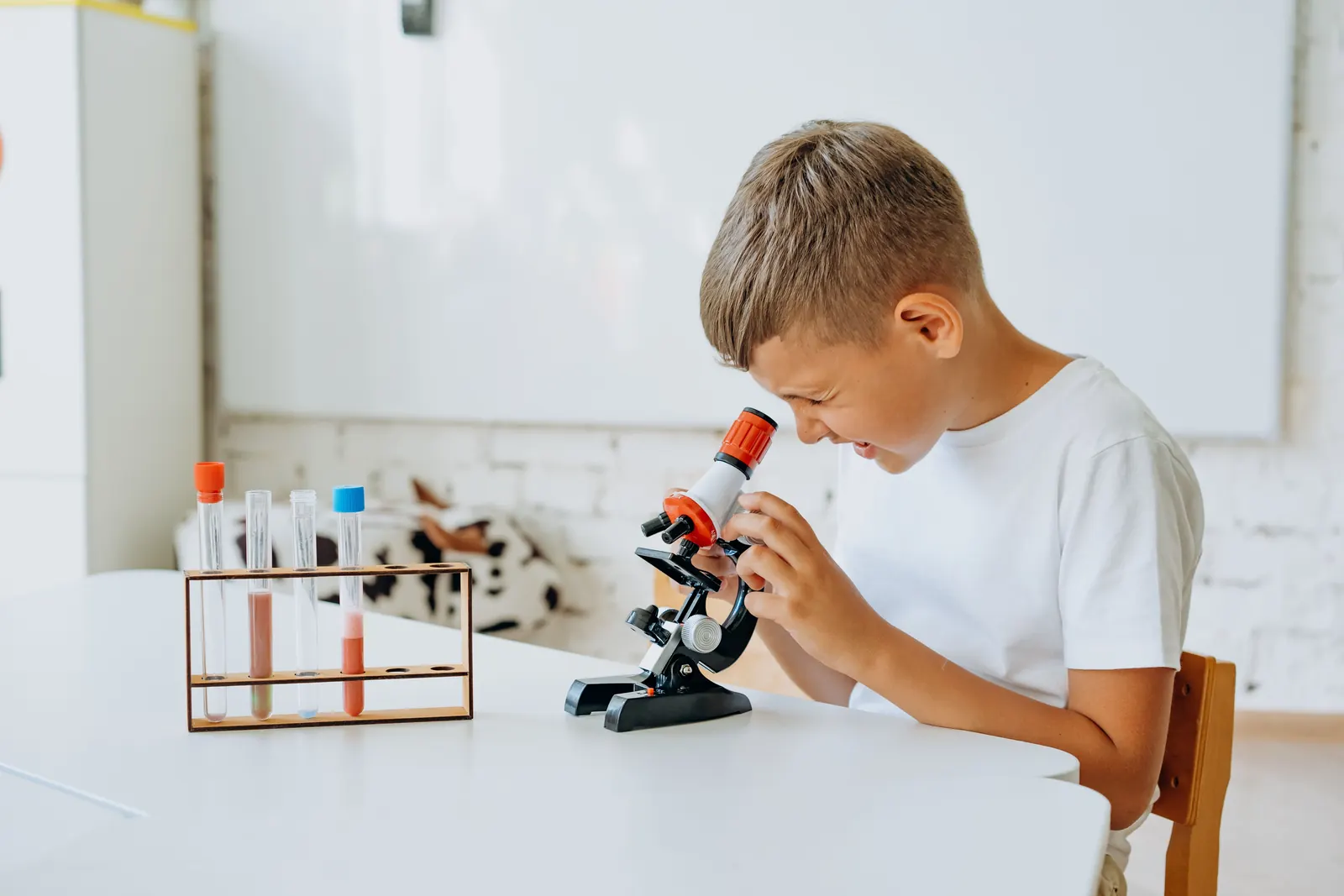
A boy looks into a small microscope beside a rack of test tubes on a white table

Science

Hands-on science

Science lessons are hands-on: children ask questions, test ideas and explain what they find, and students can enter the science fair.

We also work with the University of Arkansas at Little Rock (UALR), which runs a teacher resident program and professional training for our teachers.

Beyond the classroom

Clubs, competitions and a place on student council.

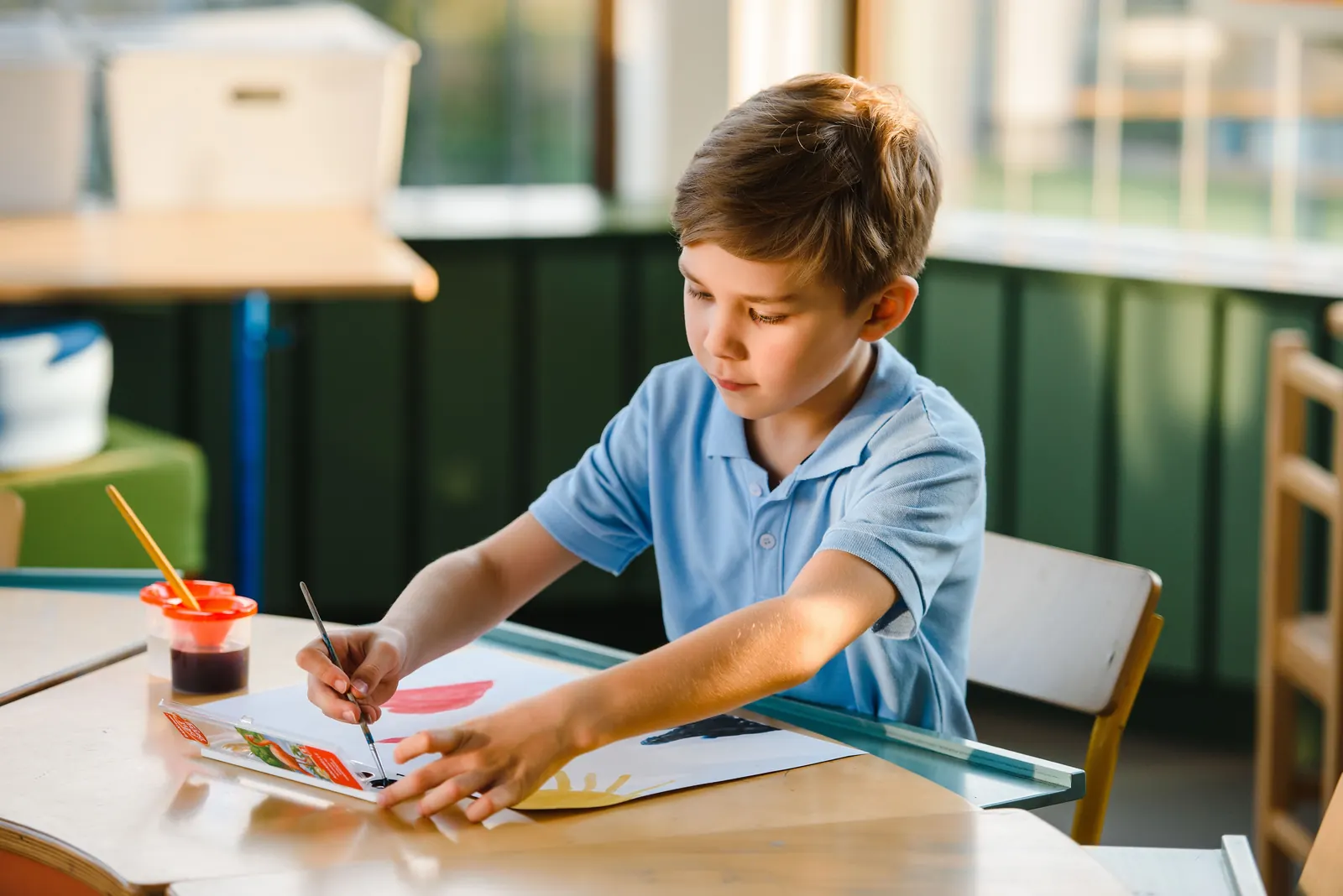
A boy in a blue polo paints with a brush at a sunlit classroom table

Elementary students can join four activities, and they can enter state and national competitions.

What elementary students can join

  • Student council
  • The Hifz program
  • Art Club
  • Recorder Club, for music

Clubs are run after school hours by teachers who volunteer their time. Any student can join with a parent’s consent. Student council members are elected by other students, and must have good grades and good behavior to stand. The council raises funds in school and takes on school projects.

Competitions

Our students can enter five state and national competitions: the Qur’an competition, the science fair, the speech contest, the spelling bee and the Arabic spelling bee. Each gives children a reason to prepare, and a chance to stand up in front of others.

Strong foundations

Give them solid ground.

The elementary years set habits that last, in study and in faith, and a place for your child starts here.

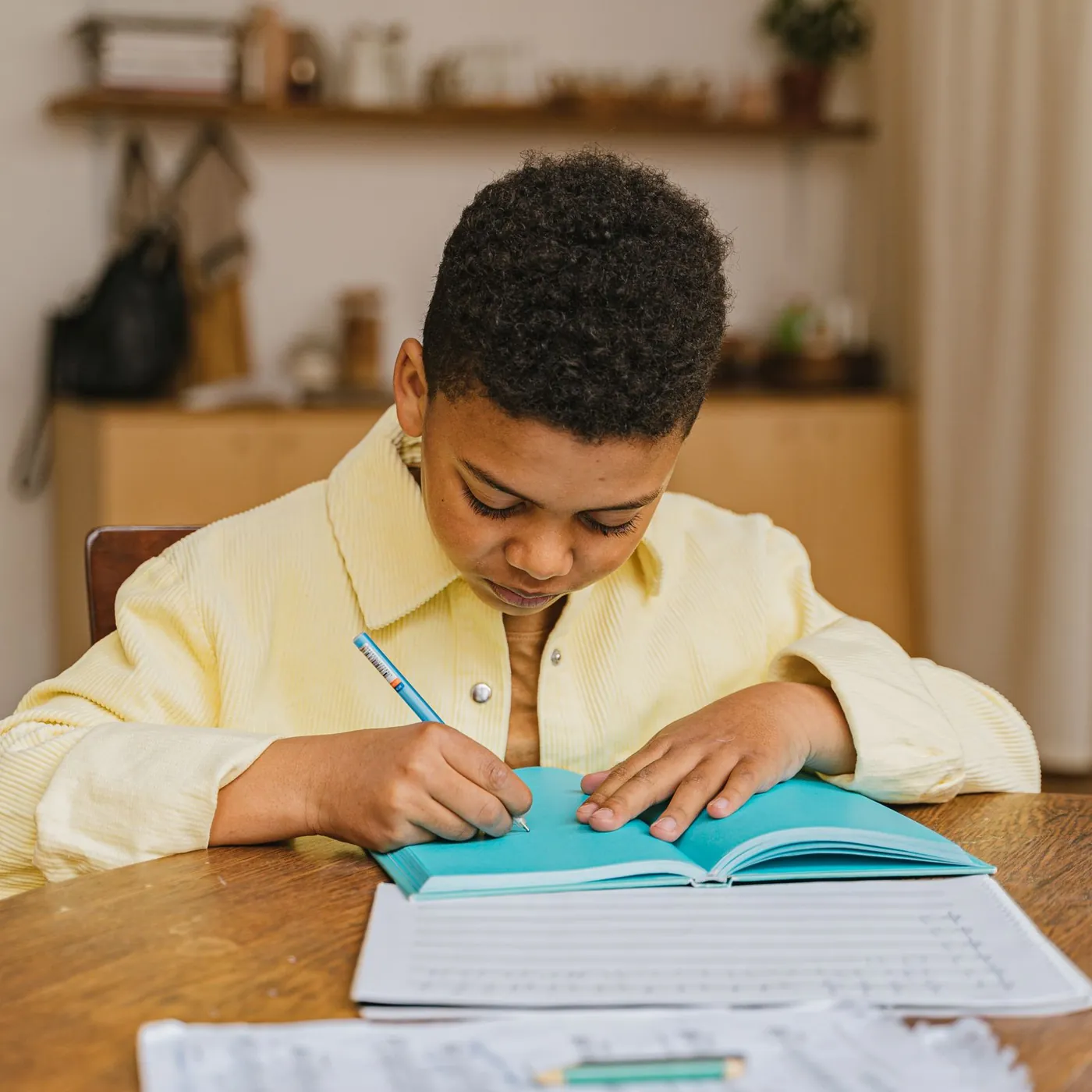
A young boy in a pale yellow shirt bends over a turquoise exercise book, carefully writing at a wooden table