
Help in class.More if needed.
Teachers support children in class first, and our interventionist steps in through Response to Intervention when more help is needed.
How support works
Four steps, starting in the classroom.
Huda Academy uses Response to Intervention, or RTI. Help starts in the child’s own class, and our interventionist steps in when a child needs more.

Help in the classroom
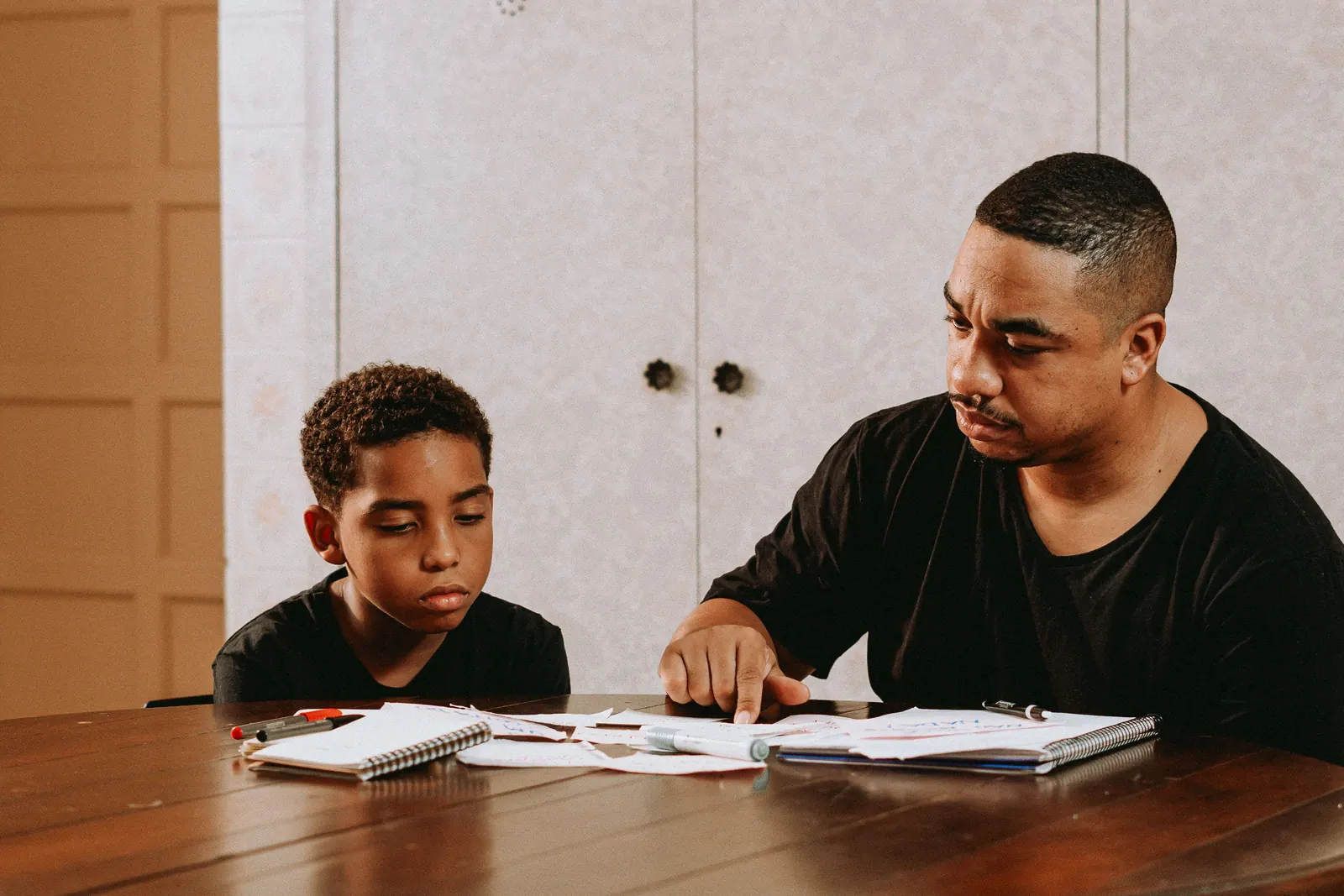
Teachers provide RTI in the classroom first, before our interventionist gets involved.
Pull-out support
If classroom support is not enough, our interventionist, an educational support specialist, works with the child outside the regular lesson. These pull-out sessions are planned around that child’s own needs.
The RTI committee
Our RTI committee reviews how each supported student is doing and decides whether the support should continue, or whether the child needs more intensive academic support.
Accommodations
Some children need a change to how they are taught or assessed. Accommodations are agreed in a meeting with administration, and are approved under certain conditions when there is proper documentation to support them.
Why it works here
Smaller classes and a record kept all year.

Smaller classes
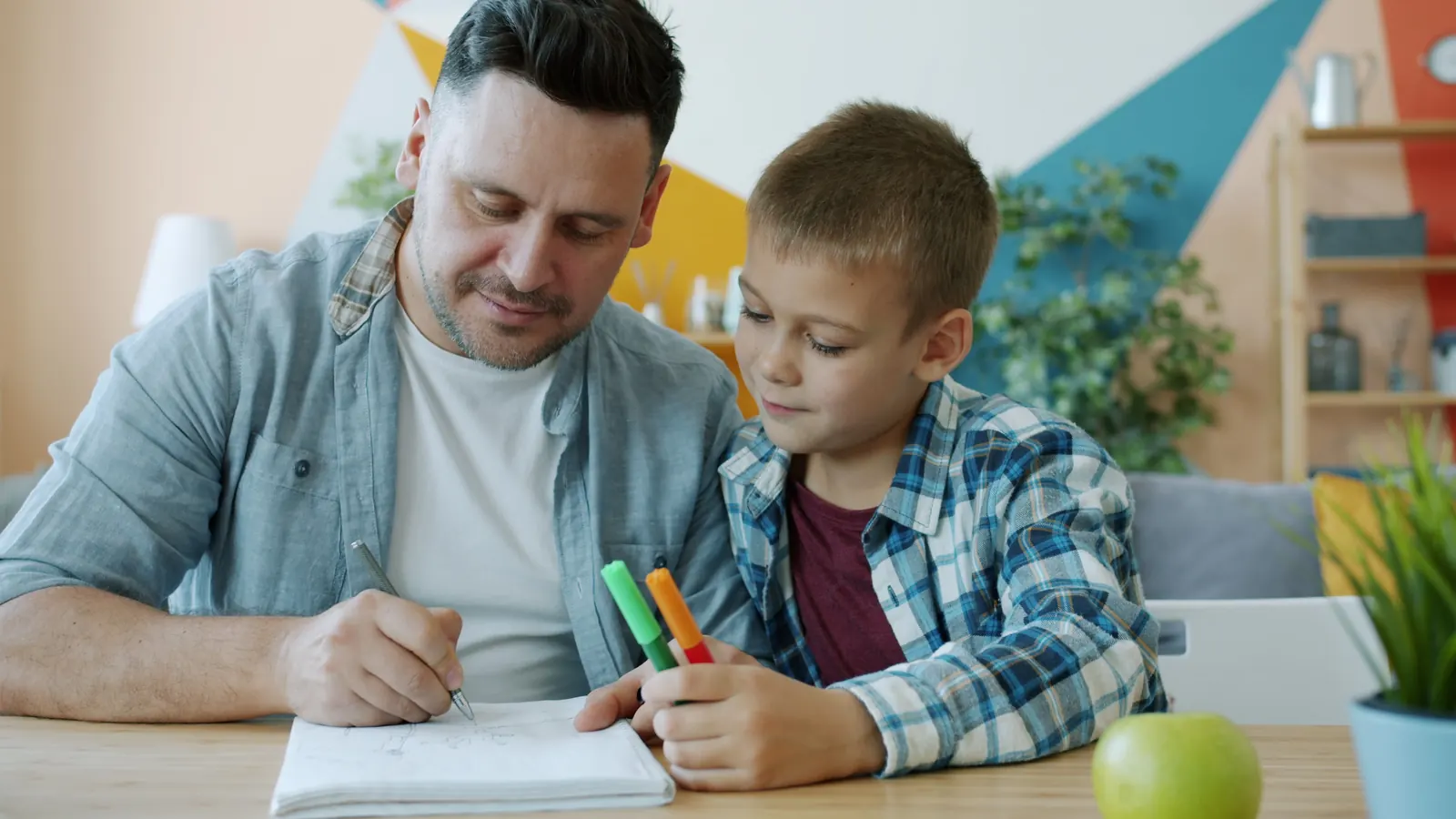
We keep our classes smaller than public schools can usually offer, because that is what makes better teaching possible.
Progress followed all year
Teachers follow each student through the year with formative assessments, the short checks woven into daily lessons, and summative assessments at the end of a unit.
Support in both directions
The same record is used for students who are ahead. In the middle grades, a student moves into an advanced course when the teacher’s record across the year shows they are ready. Our advanced courses include pre-algebra, Algebra I and geometry in math, along with courses such as physical science and world history.
Our support staff
Alongside our interventionist, we have our own school counselor. We also have a special education teacher.
Therapies
Speech, occupational and physical therapy.
Speech therapy, occupational therapy (OT) and physical therapy (PT) reach Huda Academy students by one of two routes: through the Little Rock School District, or privately, arranged by the family.
Through the district
Because of our affiliation with the Little Rock School District (LRSD), these services can sometimes be provided through the district. It depends on whether the district has openings to support students outside its own schools, so it is not guaranteed.
Privately
More often, families arrange therapy outside school and bill it to their health insurance. Parents can also ask a therapy center whether its therapists would come to Huda Academy to see their child during the day. In that case the family pays the provider, and the therapist needs approval from our administration before working with a child on site.
The people and
plans behind it.



No child overlooked
Share how they learn best.
What you already know about your child helps our teachers plan the right support.