

Enrollment opens each March.

Apply Now
Islamic Education

Islamic studies.At every stage.

Islamic studies is a core subject at every stage, with a curriculum that deepens from elementary school into high school.

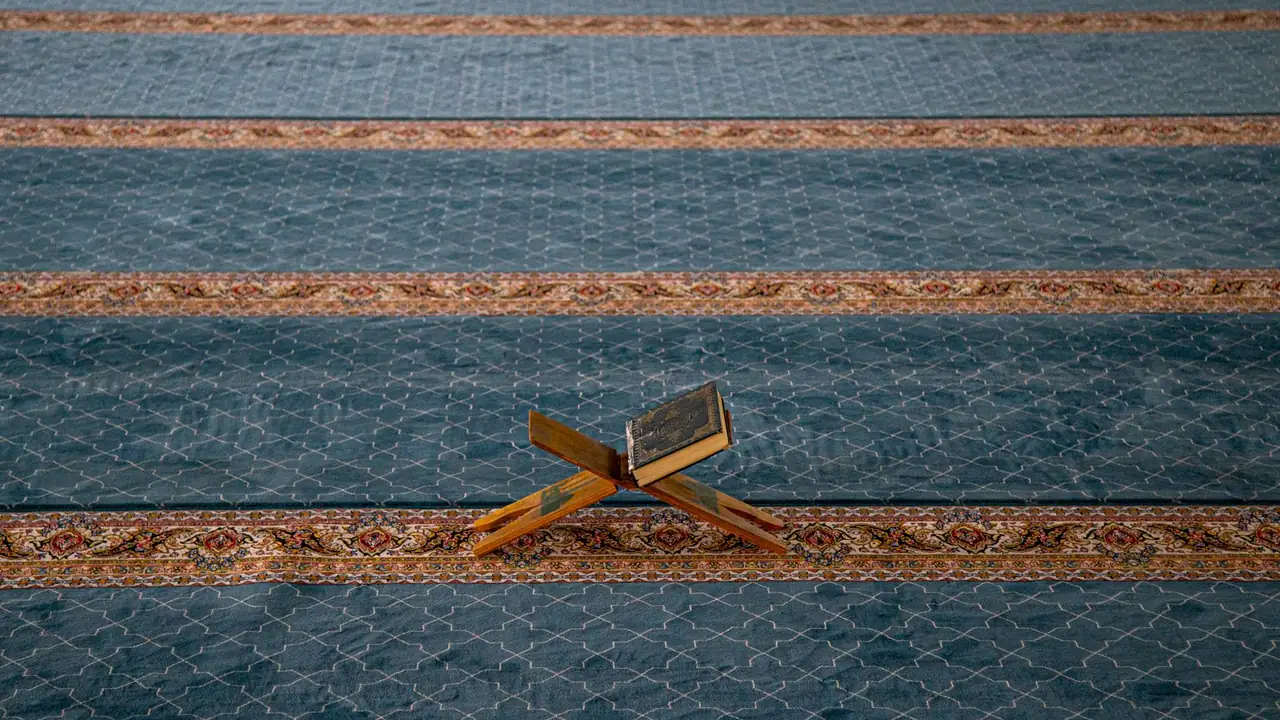
A Qur'an resting on a wooden stand on a plain blue carpet marked with patterned stripes.

Islamic studies

Islamic studies that grows with your child.

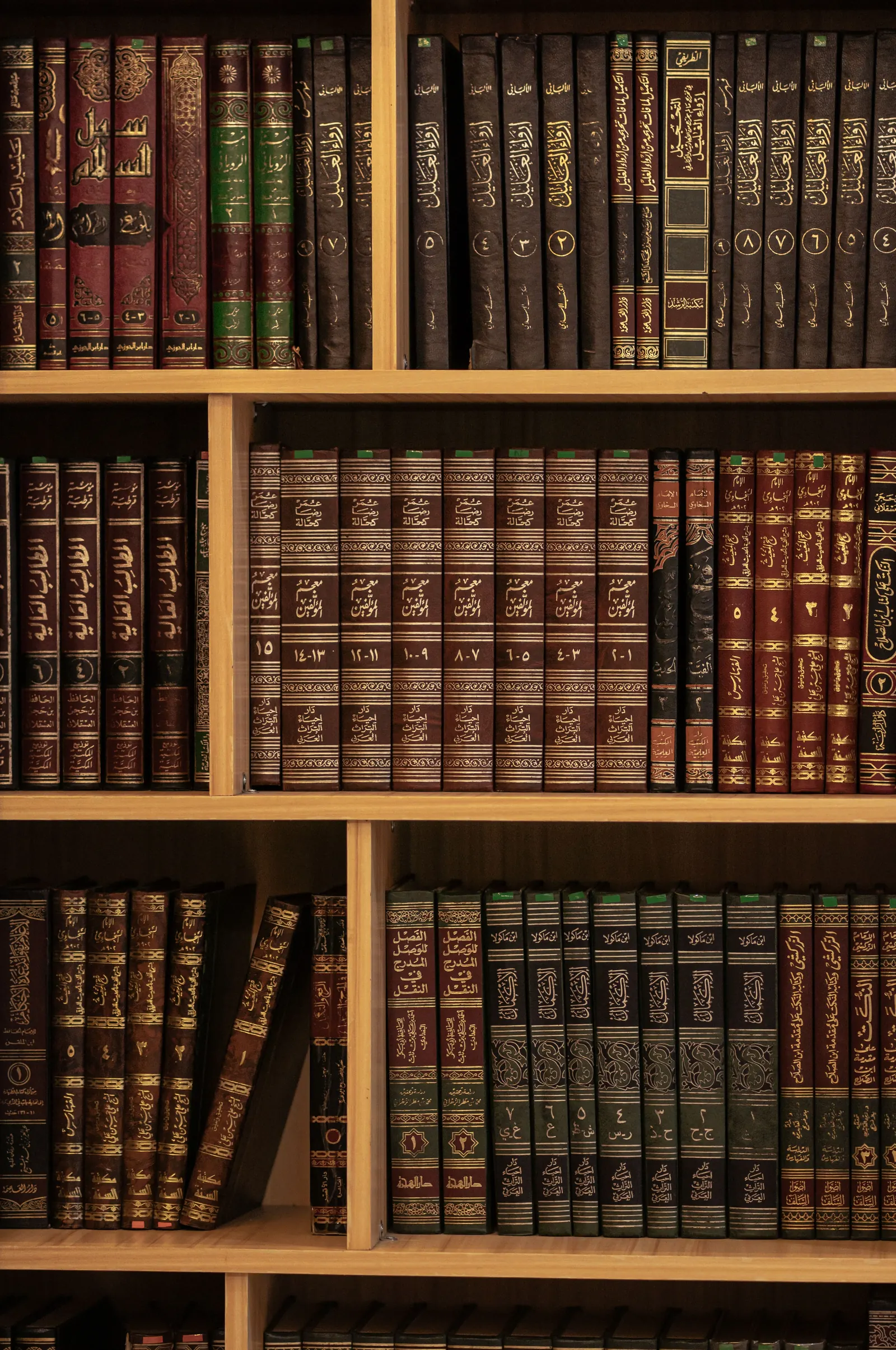
Wooden bookshelves filled with matching sets of hardbound Arabic reference volumes Elementary • Middle • High
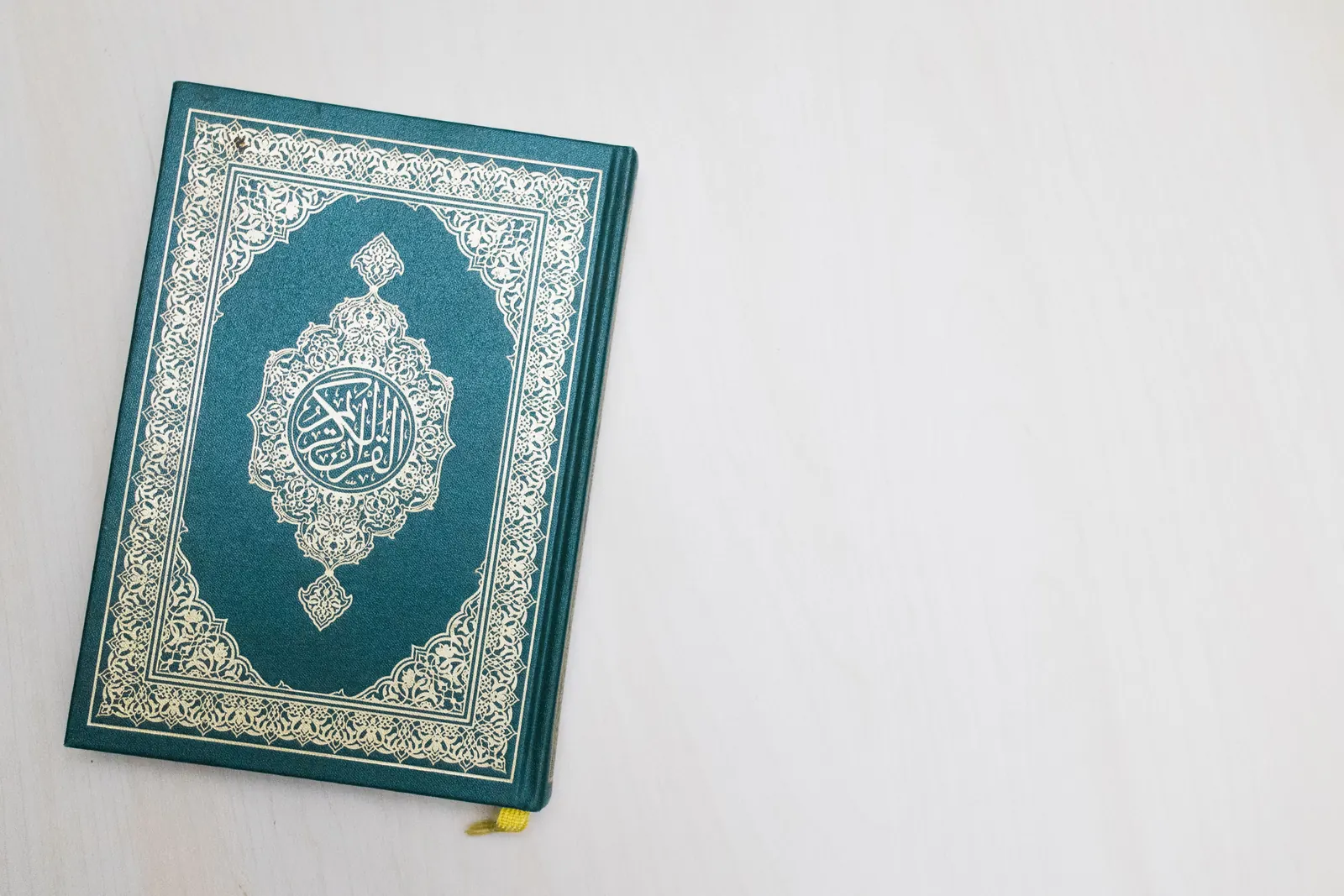
A closed Qur'an with a teal and silver cover lying on a plain white table

A subject from Kindergarten

Islamic studies is on the timetable from a child’s first year of full-day school. In Kindergarten it sits alongside Arabic, English language arts, math, science, social studies and PE, and it stays a core subject at every stage after that.

Taught for each age

The course changes as students grow, so the way the faith is taught matches the age of the child.

In high school

High school students continue with Islamic studies, Qur’an and Arabic four times a week. They can also join our Ijazah program, in which a student’s Qur’an recitation is heard and certified by a qualified teacher.

Studied, then practiced

What is learned in class is practiced in the day. From Grade 1, salah is on the timetable as a subject and students pray Dhuhr together, so prayer is both something children study and something they do. Girls wear the hijab in Qur’an and Islamic studies classes and at salah. Kufis are optional for boys.

Our mission

Our primary mission is to give students a strong sense of belonging to the Muslim community, to provide excellent well-rounded education in a healthy Islamic environment, and to provide students with a solid grounding in Islam and Arabic, which will enable them to live God conscious lives.

The school day

Faith in the school day.

A simple round wall clock with a wooden frame on a plain pale wall

At Huda Academy, faith is part of the ordinary school day. It is on the timetable, and from Grade 1 the day includes the midday prayer.

Much of the day is the academic work any family would expect: English language arts, math, science and social studies. Islamic studies, Arabic and Qur’an sit in the same timetable and the same building, so children do not experience their faith as something separate from their learning.

From Grade 1, students pray Dhuhr together every school day, and older students mentor the younger ones. Each year group learns the prayer by example from the one above it.

On Fridays, we hold Jummah, and an older student gives the khutbah. Hearing a classmate speak about the faith shows younger children that leading is something they can grow into.

The same care extends to how students treat one another. The Tarbiyah page explains more.

Qur’an and Arabic

The Qur’an and its language, side by side.

Two parts of Islamic education at Huda Academy have pages of their own. Here is what each involves, in brief.

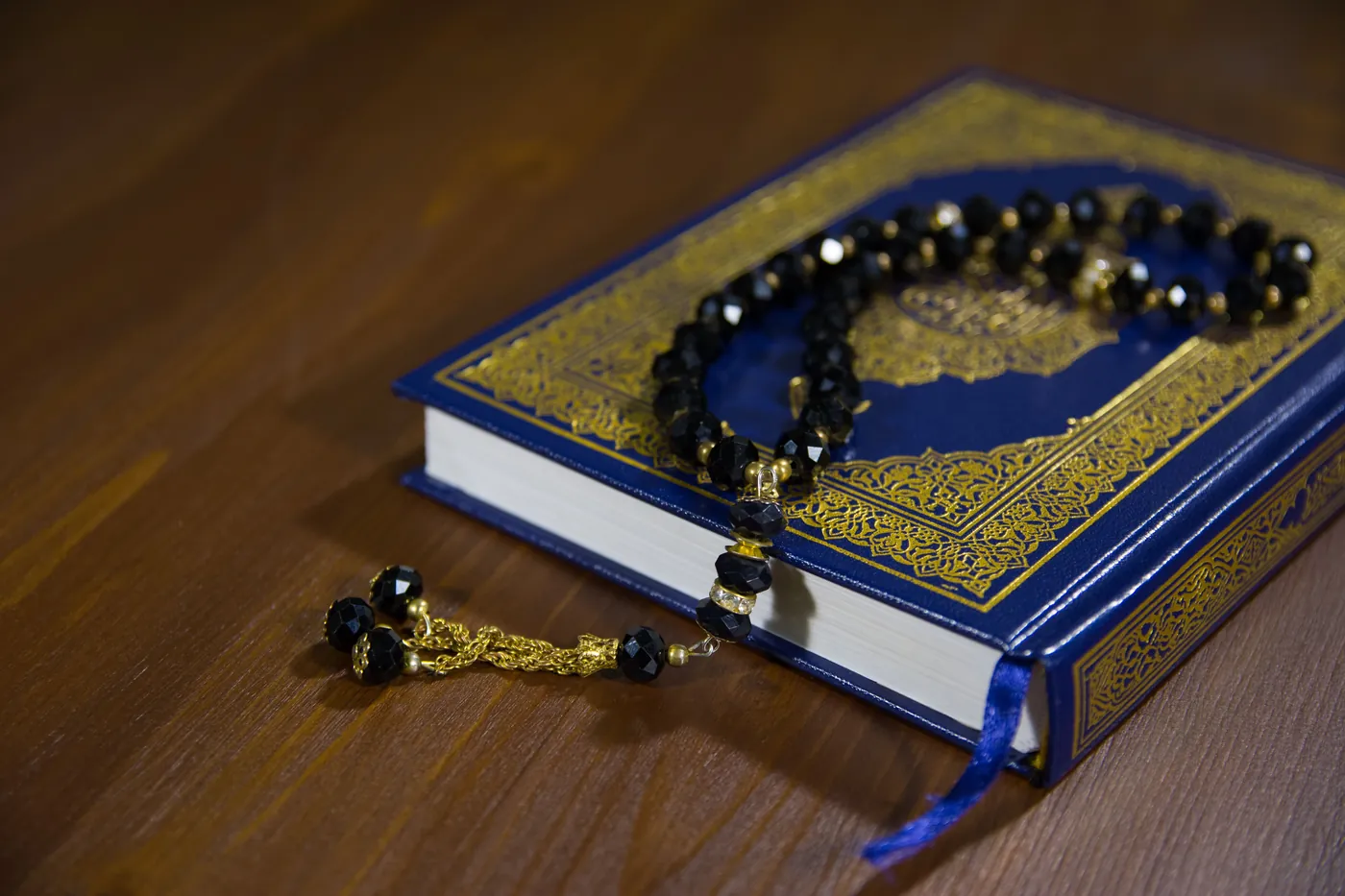
Wooden prayer beads draped over an open Qur'an on a wooden stand, close up against a dark background

Qur’an and Hifz

Recitation and memorization

Qira’ah begins in Grade 1, and every grade memorizes its own portion of the Qur’an over the year, with the teacher tracking each student’s progress. The Hifz program is offered as enrichment, and an Ijazah program is open in high school.

Several members of our staff are huffaz, which means they have memorized the whole Qur’an. The Qur’an and Hifz page follows the program stage by stage.
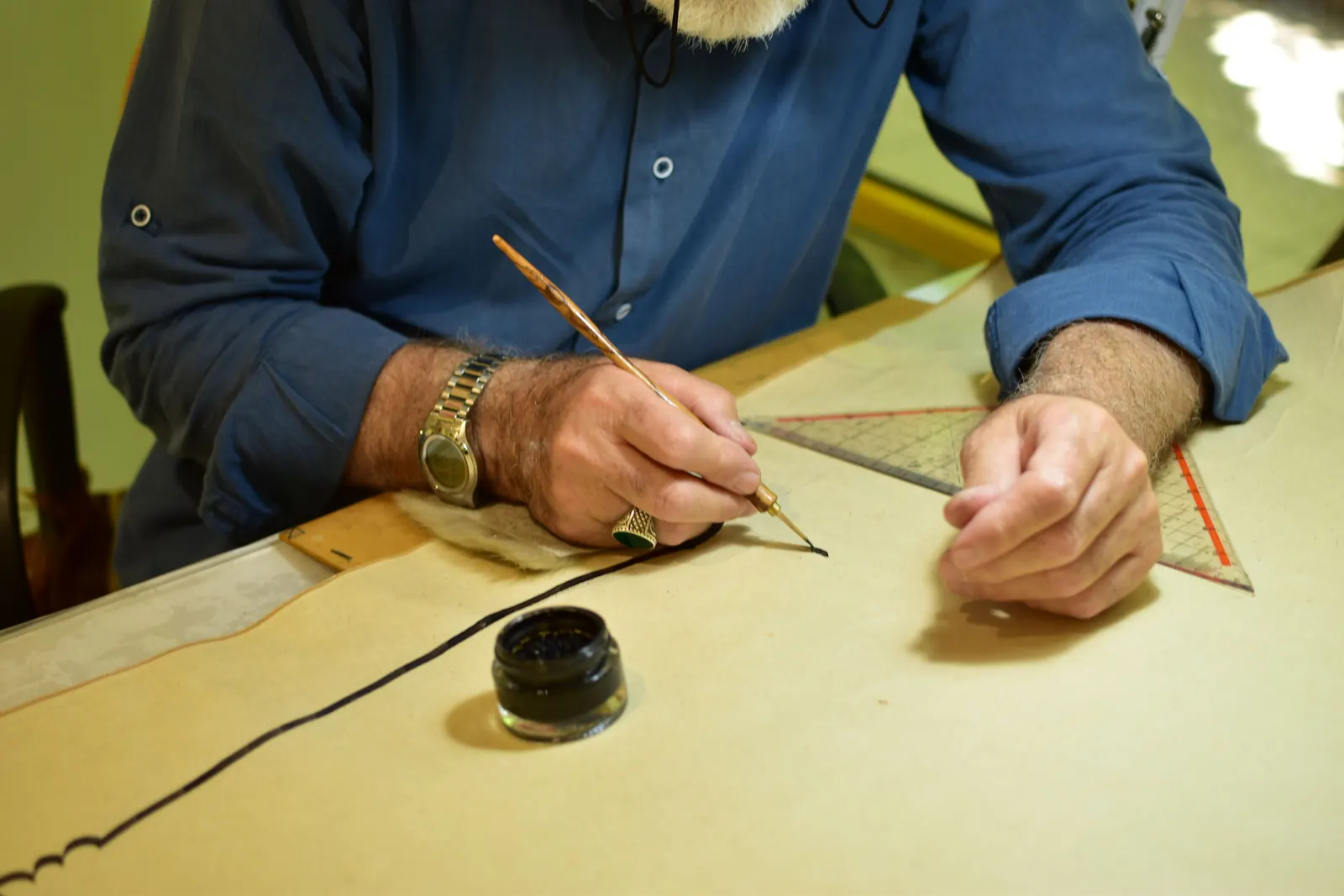
A bearded calligrapher in a blue shirt draws a line with a wooden reed pen beside a small pot of ink

Arabic

Two kinds of Arabic, from Kindergarten

Arabic is a full subject from Kindergarten. Modern Standard Arabic is taught as a language, while Qur’anic Arabic is used in the Qur’an and Qira’ah classes.

As students grow, our Arabic program puts the emphasis on understanding the message of the Qur’an. Middle school students can enter the Arabic spelling bee. The Arabic page has the details.

Faith at the center

Deen at the heart.

A child who learns their deen alongside their lessons grows in both, and an application is the first step.

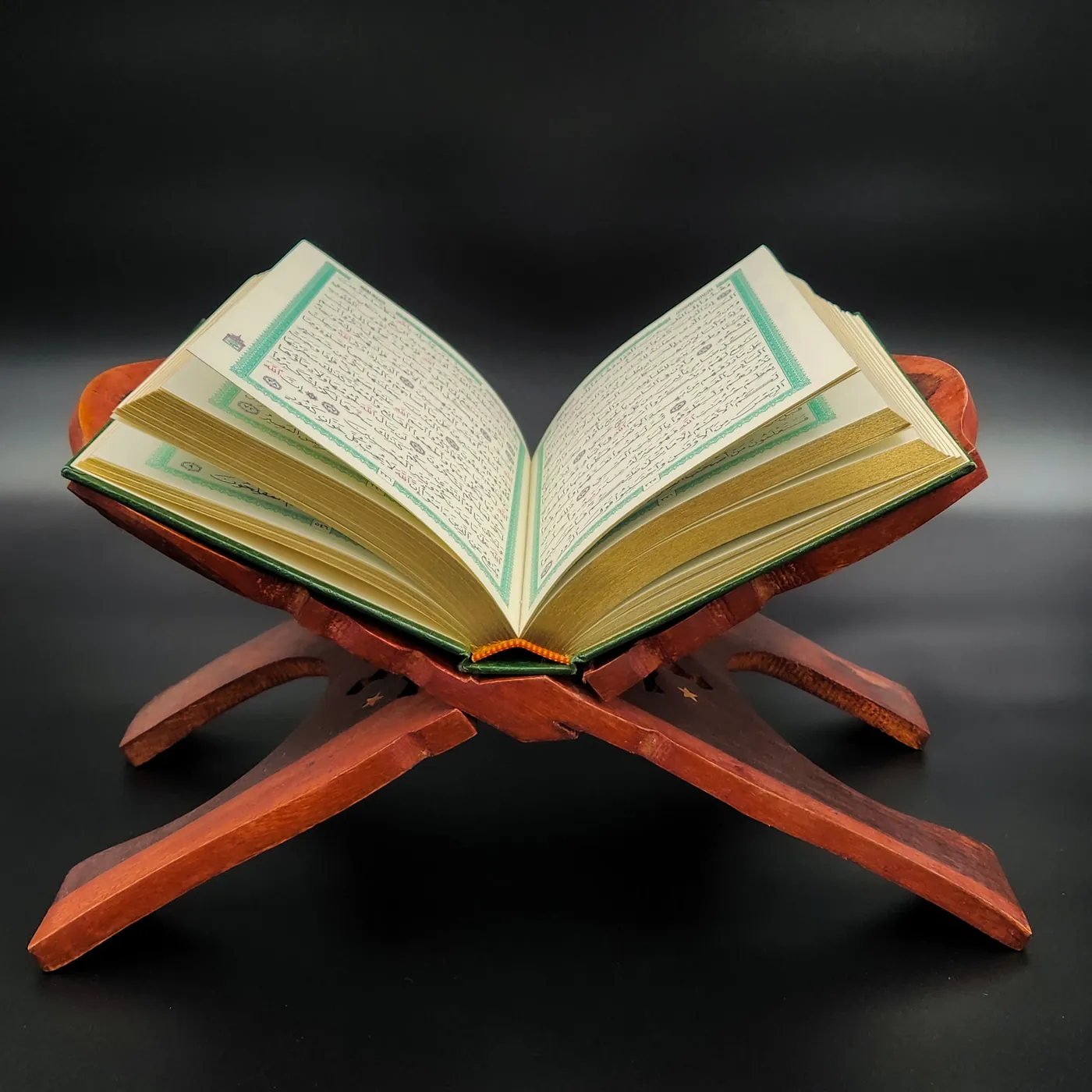
An open Qur'an with green page borders resting on a carved wooden stand against a plain dark background